Multicultural Wedding Planner in Miami: Blending Cultures, Faiths & Traditions
Planning a multicultural, fusion, or interfaith wedding in Miami? Learn how experienced wedding planning brings diverse traditions and families together beautifully.
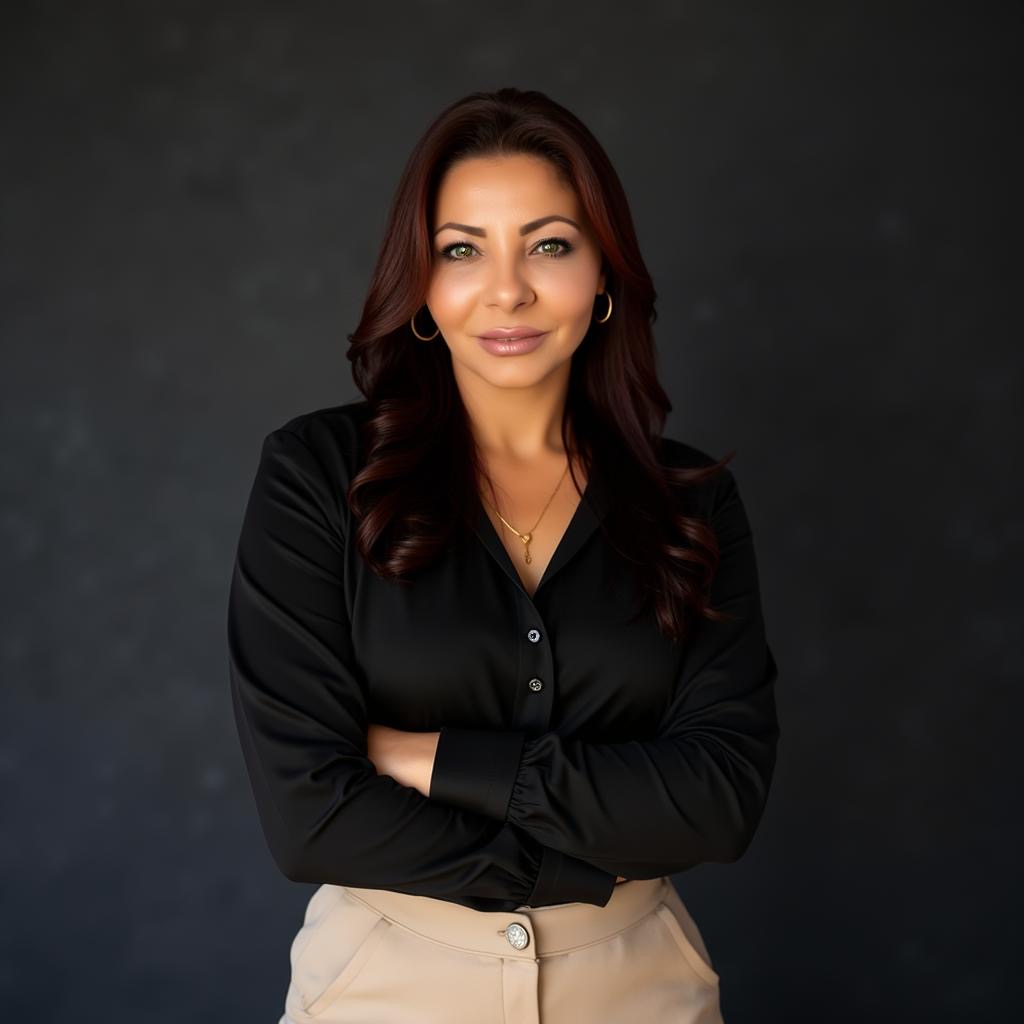
Mariane Fahmy
20+ Years Executive Operations & Luxury Event Design
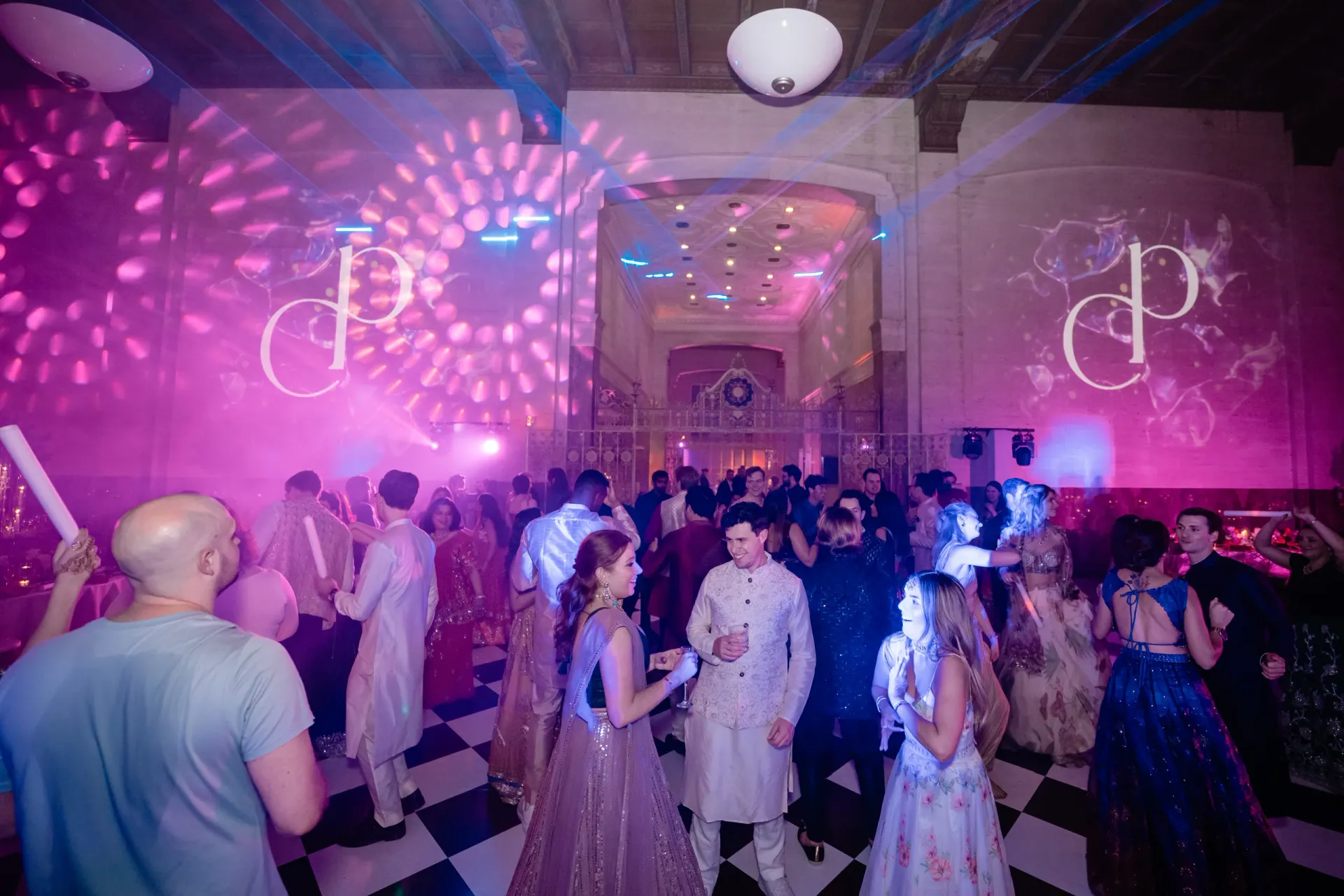
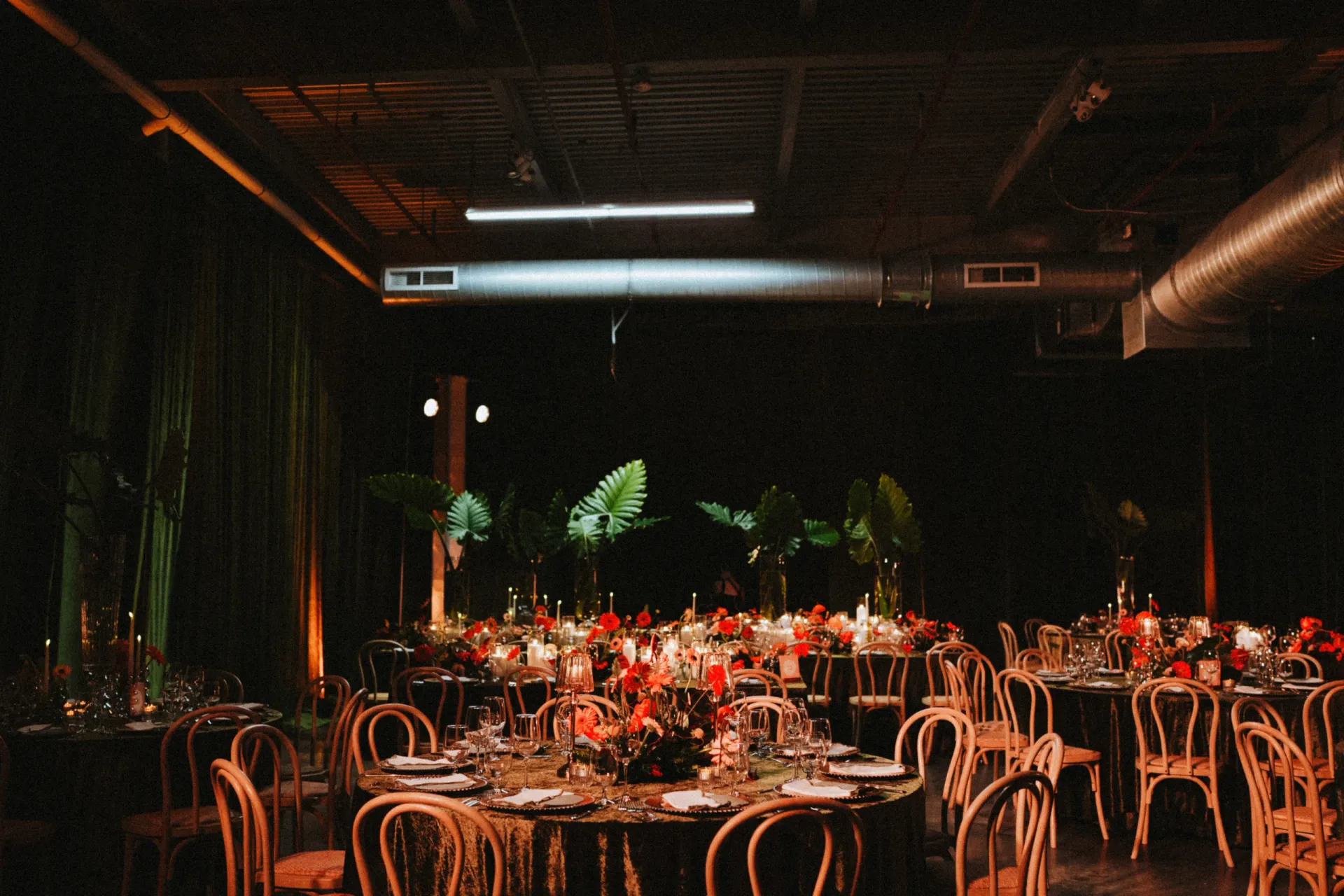
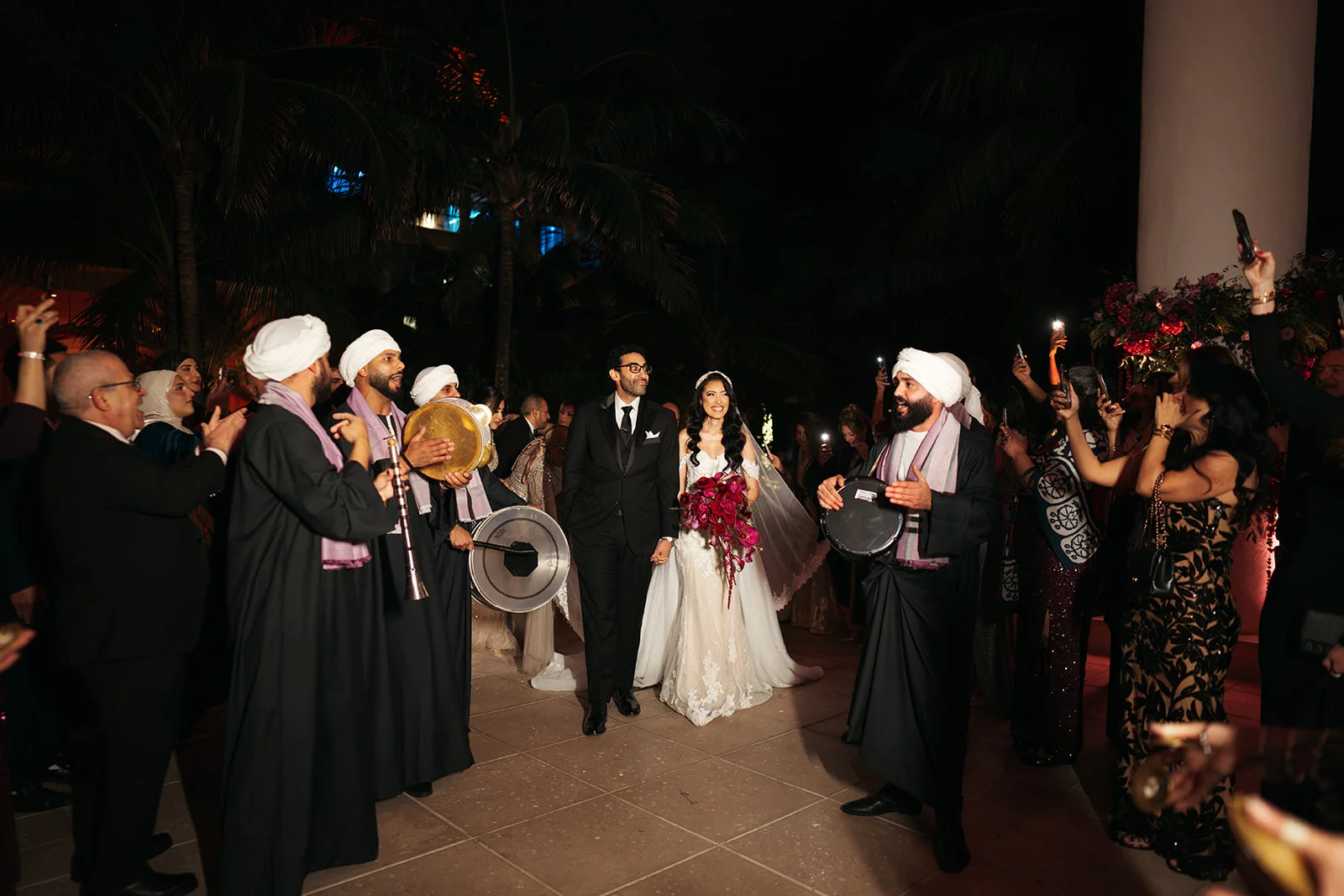
Multicultural and fusion wedding celebration in Miami • Photo courtesy of Très CHIC Event Planning & Design
A wedding brings two people together, but for many couples, it also brings together two families, two backgrounds and generations of traditions.
Perhaps one family imagines a traditional South Asian celebration filled with music, vibrant colors and multiple ceremonies, while the other envisions an elegant Jewish wedding beneath a beautifully designed chuppah. Perhaps one partner comes from a Middle Eastern background and the other from a Western family, or both partners want to honor their religious and cultural identities without allowing either to overshadow the other.
These celebrations are more than weddings. They are opportunities to bring people together, preserve meaningful traditions and create something entirely personal.
In a diverse destination like Miami, multicultural weddings offer extraordinary creative possibilities. The city's international atmosphere, sophisticated venues and access to diverse culinary and entertainment experiences make South Florida an appealing setting for couples bringing families together from different parts of the world.
However, combining different traditions requires more than selecting beautiful decorations or organizing multiple ceremonies. It takes cultural understanding, thoughtful communication, careful scheduling and experienced coordination.
Choosing the right multicultural wedding planner in Miami can help transform different expectations into one cohesive and meaningful celebration.
At Très CHIC Event Planning & Design, multicultural and fusion weddings are approached with a simple philosophy: your families do not need to choose between their traditions, and neither does your wedding.
1\. What Makes a Multicultural Wedding Different?
A multicultural wedding brings together traditions, customs, religious elements, family expectations or cultural influences from different backgrounds.
Every celebration is unique. Some couples incorporate traditions from two cultures into a single ceremony, while others prefer separate ceremonies followed by one shared reception.
A multicultural wedding might include:
- Traditional South Asian ceremonies and a Western-style reception.
- A Hindu ceremony followed by a Jewish celebration.
- Middle Eastern wedding traditions combined with contemporary event design.
- Interfaith ceremonies that respect both partners' beliefs.
- Multi-day celebrations involving several generations and extended families.
- Fusion celebrations that combine cultural food, music, fashion and entertainment.
The important thing to understand is that there is no universal formula for a multicultural wedding.
Even couples who share the same cultural background may have very different priorities. Family traditions, religious preferences, regional customs and personal experiences all influence what matters most.
The planning process should begin by understanding the people behind the celebration, not by following a predetermined wedding template.
2\. Start With the Traditions That Matter Most to Both Families
One of the biggest challenges in multicultural wedding planning is balancing family expectations with the couple's own vision.
Parents may have specific ceremonies they consider essential. Grandparents may want certain traditions preserved. Meanwhile, the couple may want a modern celebration that reflects their lifestyle and relationship.
The solution is not to include every possible tradition. It is to understand which elements carry the greatest meaning.
Begin with an open conversation.
Ask each family:
- Which wedding traditions are most important to you?
- Are there religious ceremonies that must be included?
- Are there particular family customs that should be preserved?
- Which traditions would you like younger generations to experience?
- Are there elements that can be adapted to suit the couple?
A professional multicultural wedding planner helps guide these conversations and organize the answers into a practical celebration plan.
At Très CHIC, this listening-first approach is central to the planning experience. Mariane Fahmy takes time to understand what matters to the couple, their parents and their families before developing the timeline and design.
The goal is to create a celebration in which everyone feels respected without losing the couple's individual identity.
3\. South Asian Weddings: Bringing Multiple Celebrations Together
South Asian weddings can involve several ceremonies, family gatherings and celebrations spread across multiple days.
Depending on the couple's background and preferences, the wedding may include Hindu, Sikh, Muslim or other South Asian traditions.
Some common celebrations include:
Mehendi Ceremony
The Mehendi is a meaningful pre-wedding celebration in which henna is applied, often accompanied by music, family gatherings and festive décor.
The design may incorporate vibrant colors, comfortable seating, beautiful floral details and an atmosphere that encourages guests to participate.
Sangeet Celebration
The Sangeet is traditionally associated with music, dance and family performances.
It can include choreographed dances, live entertainment, personalized performances and lively moments shared between both families.
A planner must coordinate the entertainment schedule, production requirements, staging and guest experience so that the celebration flows naturally.
Baraat Procession
The Baraat is a traditional wedding procession, often involving music, dancing and the groom's arrival.
Its execution requires careful coordination of timing, guest movement, venue access, entertainment and the ceremony schedule.
Mandap Ceremony
For Hindu weddings, the Mandap provides the setting for important ceremonial rituals.
Its design should consider the couple's preferences, the officiant's requirements, the venue layout and the comfort of guests.
At Très CHIC, multi-day South Asian celebrations are planned as one connected experience rather than a collection of separate events.
This means coordinating the Sangeet, Mehendi, Baraat and wedding ceremony within a unified schedule, while giving each celebration its own atmosphere and identity.
4\. Jewish Weddings: Honoring Meaningful Wedding Traditions
Jewish weddings include meaningful religious and cultural elements that deserve careful attention.
Some of the traditions couples may wish to incorporate include:
Ketubah Signing
The Ketubah is a traditional Jewish marriage document. Its signing can be an important moment for the couple and their families.
Planning should account for the ceremony's timing, participants and preferred setting.
The Chuppah
The Chuppah is a wedding canopy that represents the couple's home and shared future.
Its design can range from understated and elegant to elaborate floral installations, depending on the couple's preferences and religious requirements.
The Hora
The Hora is a joyful traditional dance that often brings guests together in celebration.
Entertainment coordination, music timing and appropriate space for guests are important considerations.
Other requirements may include coordinating with the couple's rabbi, understanding religious preferences and confirming catering arrangements where Kosher food is required.
A wedding planner should communicate with the appropriate family members and religious professionals instead of making assumptions about how every Jewish wedding should be conducted.
5\. Middle Eastern Weddings: Creating a Celebration Full of Energy and Meaning
Middle Eastern weddings can be vibrant, expressive and deeply connected to family traditions.
Depending on the couple's heritage and preferences, celebrations may incorporate traditional music, dramatic entrances, family gatherings and distinctive entertainment.
Zaffa Procession
A Zaffa is a traditional celebratory procession that may feature drummers, musicians and dancers welcoming the couple.
The timing, sound requirements, venue access and procession route all need to be coordinated.
Traditional Music and Entertainment
Some families may prefer Arabic music, traditional ensembles, live musicians or a combination of Arabic and English entertainment.
The entertainment schedule should consider different generations and musical preferences while maintaining a natural flow throughout the evening.
Family-Centered Celebrations
Middle Eastern weddings often place significant importance on family participation and shared celebration.
A thoughtful planner considers guest movement, seating arrangements, entrances, dining and opportunities for family members to participate comfortably.
Très CHIC also has an in-house connection to Zaffa Entertainment, offering access to traditional grand-entrance entertainment, Zaffa bands, Takht ensembles, Arabic and English DJs and live musicians.
This connection allows entertainment considerations to become part of the planning conversation rather than an afterthought.
6\. Planning an Interfaith or Fusion Wedding
Interfaith weddings can be particularly meaningful because they bring together different religious practices, family traditions and personal beliefs.
For some couples, this may involve two separate ceremonies. Others prefer one ceremony incorporating selected elements from both backgrounds.
For example, a couple may choose a Hindu ceremony in the morning followed by a Jewish Chuppah ceremony later in the day.
Another couple may work with two officiants to create a ceremony that acknowledges both religious backgrounds while maintaining a shared message of commitment.
Successful fusion wedding planning requires thoughtful conversations with the couple, families and religious officiants.
Consider:
- Which ceremonies should take place?
- Will the couple have one officiant or multiple officiants?
- Are there specific religious requirements?
- How much time should be allocated to each ceremony?
- What should guests understand about the traditions?
- How can the reception transition naturally from one ceremony to another?
The objective is not to make two cultures identical. It is to create a celebration where both can exist meaningfully.
7\. Why You Need an Experienced Multicultural Wedding Planner in Miami
Multicultural weddings often involve additional coordination compared with a single-ceremony celebration.
There may be several event days, multiple entertainment teams, different catering requirements, complex schedules and family members travelling from different locations.
A professional multicultural wedding planner helps manage these responsibilities through a structured planning process.
Cultural understanding
A planner should take time to learn which traditions are important rather than assuming that all families follow identical customs.
Multi-day event coordination
Pre-wedding celebrations, ceremonies, receptions and after-parties may require different schedules, venues and vendor teams.
Vendor coordination
Specialized caterers, musicians, decorators, photographers, religious professionals and entertainment providers need to work together.
Design consistency
Different ceremonies can have distinct visual identities while maintaining an overall aesthetic that connects the celebration.
Guest experience
Guests should understand where they need to be, when ceremonies begin and how to move between different celebrations.
Contingency planning
Weather, venue requirements, transportation and last-minute schedule changes should be considered in advance.
At Très CHIC, the planning approach combines cultural awareness with operational structure, helping couples bring together complex celebrations without feeling responsible for every moving part.
8\. Designing One Wedding That Feels Like One Story
One of the most beautiful aspects of a fusion wedding is the opportunity to create a design that represents both partners.
Rather than treating each culture as a separate visual theme, couples can develop an aesthetic that connects meaningful elements from both backgrounds.
For example:
- Traditional floral patterns can inspire contemporary tablescape details.
- Cultural colors can be incorporated into a sophisticated reception palette.
- Traditional textiles can complement modern event furniture.
- Ceremony-specific décor can transition into a unified reception design.
- Music and entertainment can reflect both families' backgrounds.
The key is balance.
A fusion wedding does not need to include every symbol, color or decorative element associated with each culture.
Sometimes a few thoughtfully selected details create a stronger and more elegant result than an overloaded design.
The best approach is to create an environment that feels authentic to the couple rather than designed around what guests expect a particular culture to look like.
9\. Choosing Miami and South Florida for Your Multicultural Wedding
Miami offers an appealing setting for multicultural and destination weddings.
Its international character, diverse hospitality industry and range of event venues provide opportunities for couples bringing together families from different cities and countries.
Couples may explore:
- Historic estates and garden venues.
- Waterfront wedding locations.
- Luxury hotels and ballrooms.
- Private event spaces.
- Outdoor venues with beautiful South Florida surroundings.
Areas such as Miami, Fort Lauderdale, Coral Gables and Boca Raton provide different venue experiences.
However, venue selection should consider more than appearance.
For a multi-day wedding, consider guest accommodation, transportation, ceremony requirements, catering options, event access, entertainment restrictions and the venue's ability to accommodate different celebrations.
An experienced local wedding planner can help evaluate these practical considerations before important decisions are finalized.
Très CHIC serves Miami, Fort Lauderdale, Coral Gables, Boca Raton and surrounding South Florida communities, while also planning destination celebrations worldwide.
10\. How to Begin Planning Your Multicultural Wedding
A successful multicultural wedding begins with a clear understanding of the celebration you want to create.
Before meeting with a wedding planner, it can help to prepare a few important details.
1\. Establish your wedding vision.
Discuss the overall atmosphere, preferred style, guest experience and the traditions you want to include.
2\. Identify important ceremonies.
Create an initial list of religious, cultural and family celebrations that should be part of the wedding.
3\. Consider your wedding schedule.
Decide whether you envision a single-day celebration or a multi-day wedding weekend.
4\. Establish your priorities and budget.
Consider guest count, venues, entertainment, catering, design and the level of planning support required.
5\. Find a planner who understands your vision.
Look for a professional who has experience coordinating multicultural celebrations and is willing to understand your family's traditions.
At Très CHIC Event Planning & Design, the process begins with a conversation about your families, your priorities and what you want your celebration to feel like.
The planning journey then moves through discovery, onboarding, planning and design, final logistics, wedding week coordination and the celebration itself.
The result is a more organized experience that allows you to be present for the moments that matter.
Frequently Asked Questions About Multicultural Wedding Planning in Miami
1\. What is a multicultural wedding?
A multicultural wedding brings together traditions, customs or religious elements from different cultural backgrounds. It may include multiple ceremonies, fusion décor, traditional entertainment, different cuisines and meaningful family customs.
2\. How do you combine two cultures in one wedding?
Start by identifying the traditions that matter most to both partners and their families. A professional wedding planner can help organize the ceremonies, coordinate schedules and create a cohesive design that respects both backgrounds.
3\. How much does a multicultural wedding planner in Miami cost?
Pricing depends on the number of celebrations, guest count, planning duration, vendor requirements and level of coordination. Multi-day weddings may require additional planning and production support. Très CHIC offers full-service and partial planning options, with custom proposals based on each celebration.
4\. Can a wedding planner organize a multi-day South Asian wedding?
Yes. An experienced planner can coordinate events such as the Mehendi, Sangeet, Baraat and wedding ceremony, ensuring that vendors, schedules, entertainment and guest logistics work together.
5\. Can Très CHIC plan Hindu and Jewish fusion weddings?
Yes. Très CHIC specializes in multicultural and fusion celebrations, including South Asian, Jewish, Middle Eastern and interfaith weddings. Planning is tailored to the couple's traditions and family preferences.
6\. How far in advance should we book a multicultural wedding planner?
Many couples begin planning 12 to 18 months in advance. Multi-day and multicultural celebrations can benefit from a longer planning period because of the additional ceremonies, vendors and logistics involved.
7\. Can we plan a multicultural wedding in Miami while living abroad?
Yes. Wedding planning can be coordinated remotely through virtual consultations, video meetings, digital planning documents and organized communication. Très CHIC works with destination couples planning celebrations in South Florida and elsewhere.
Your Traditions. Your Families. One Beautiful Celebration.
A multicultural wedding should never feel like a compromise between two families.
It should feel like a celebration of everything that brought you together: your traditions, your backgrounds, your shared values and the future you are creating.
At Très CHIC Event Planning & Design, Mariane Fahmy approaches every multicultural and fusion celebration with the belief that every family deserves to feel heard, respected and included.
From South Asian multi-day celebrations to Jewish ceremonies, Middle Eastern wedding traditions and interfaith fusion weddings, the planning process is built around the people and traditions that make each celebration unique.
You do not have to choose between honoring your heritage and creating something modern, elegant and personal.
Let both families belong. Let every meaningful tradition have its place.
Ready to start planning your multicultural wedding in Miami or South Florida?
Explore Très CHIC Multicultural & Fusion Wedding Planning and contact Mariane Fahmy to begin a conversation about your celebration.
Serving Miami, Fort Lauderdale, Coral Gables, Boca Raton and surrounding South Florida communities, with destination celebrations worldwide.
Très CHIC Event Planning & Design — Elevated, culturally rich celebrations, designed and executed with care.
About the Author
Mariane Fahmy
Mariane Fahmy is the Founder and Lead Luxury Designer of Très CHIC Event Planning & Design. Backed by 20 years of corporate operations and high-stakes logistics, she orchestrates elevated multicultural weddings, historic estate celebrations, and bespoke destination weddings across Miami, Fort Lauderdale, and worldwide.